For You
Reconnect with what you want—and explore how familiar expectations shape the choices you make.
Find a workshop →Make room for your priorities, your enthusiasm, and the contribution you want to make next.
Being someone people count on can be meaningful. Your own priorities deserve a place in the conversation too.
“Who am I beyond all of that?”
“How do I get my enthusiasm back?”
“Do I want to keep doing things this way?”
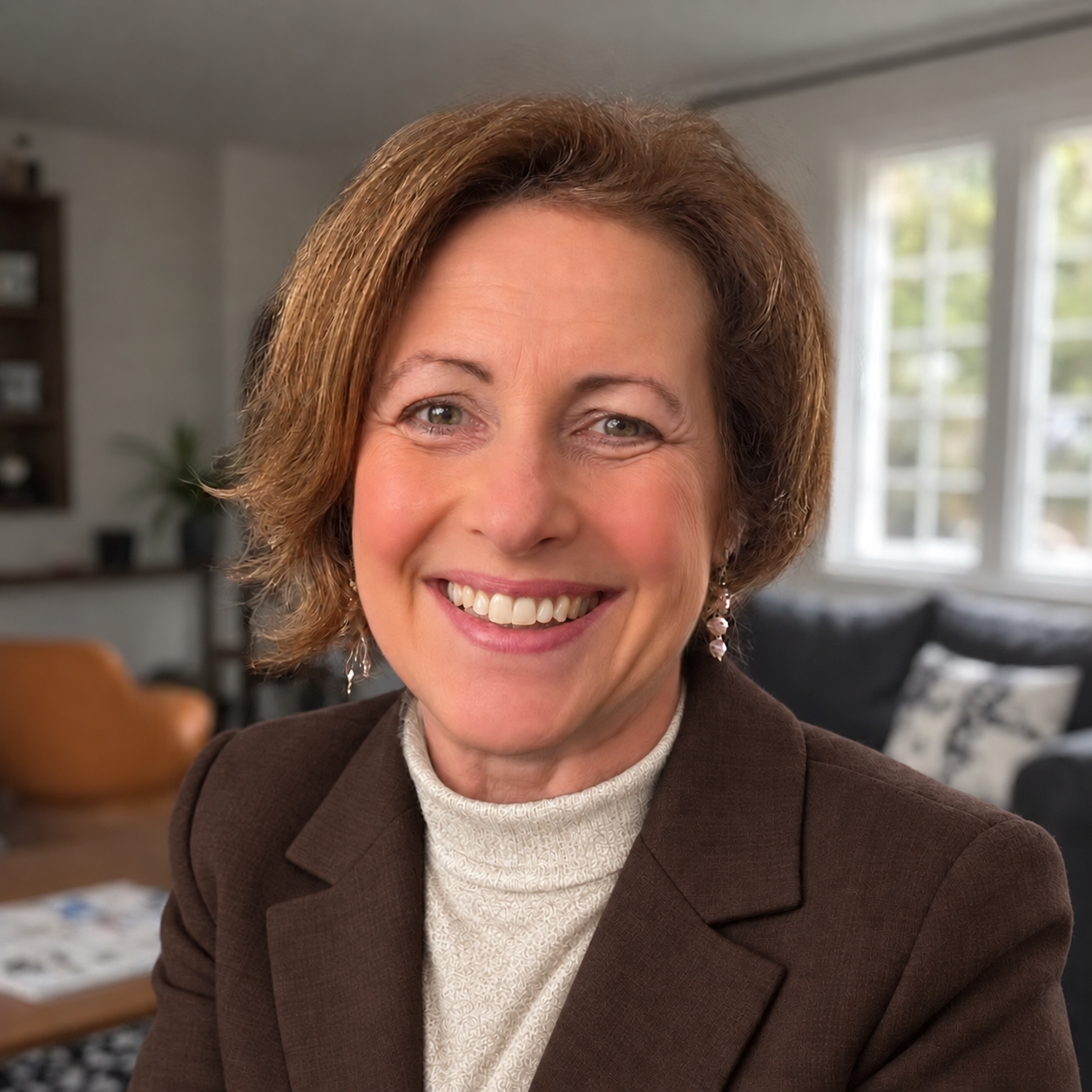
You don’t need a complete plan to begin. Start with one question, one situation, or something you’d like to be different.
Reconnect with what you want—and explore how familiar expectations shape the choices you make.
Find a workshop →Help leaders develop others, share ownership, and build a contribution that lasts beyond their constant involvement.
For organizations →Bring Reset Your Responsibility to your community, or explore the Rewrite Your Story workshop and comedy collaboration.
Host or sponsor an event →An hour to explore what you keep taking on—and make room for something that matters to you.
Bring one situation from work or life. Leave with a clearer sense of what you want to change—and one manageable step toward making room for it.
Led by Natalie H. Luke, Ph.D., with guided reflection and conversation. You choose what you share.
Before we meet: complete the responsibility assessment and bring your pattern results and burnout score. Sharing your results is optional.
Free · Google Meet
Up to 8 participants per session
The same workshop is offered on both dates. Choose the one that works for you.
Sometimes you want something different before you can explain exactly what that means.
What would you like to be different?
You can honor the people and commitments you value while reconsidering expectations that leave little room for you.
Responsibility can be fulfilling. It can also become exhausting. Not all responsibility leads to burnout.
Understand what keeps landing on you, how you’re feeling, and what you might want to keep or change. Your results bring two pieces of your experience into view:
Explore seven patterns, possible stories that reinforce them, and actions to consider.
Reflect on your current experience alongside the responsibilities you’re managing.
Are your responsibilities leaving room for what matters to you? Are you also experiencing burnout? Look at your results together and consider what deserves attention.
Free · Focused on your current work experience
A starting point for reflection. Your results do not establish cause and effect. Expectations, resources, and support matter too.
When everything feels urgent, do you have room to think about what matters?
Rewrite Your Story brings together storytelling, guided reflection, and conversation to help people recognize familiar responsibility patterns, question the stories behind them, and explore a deliberate next step.
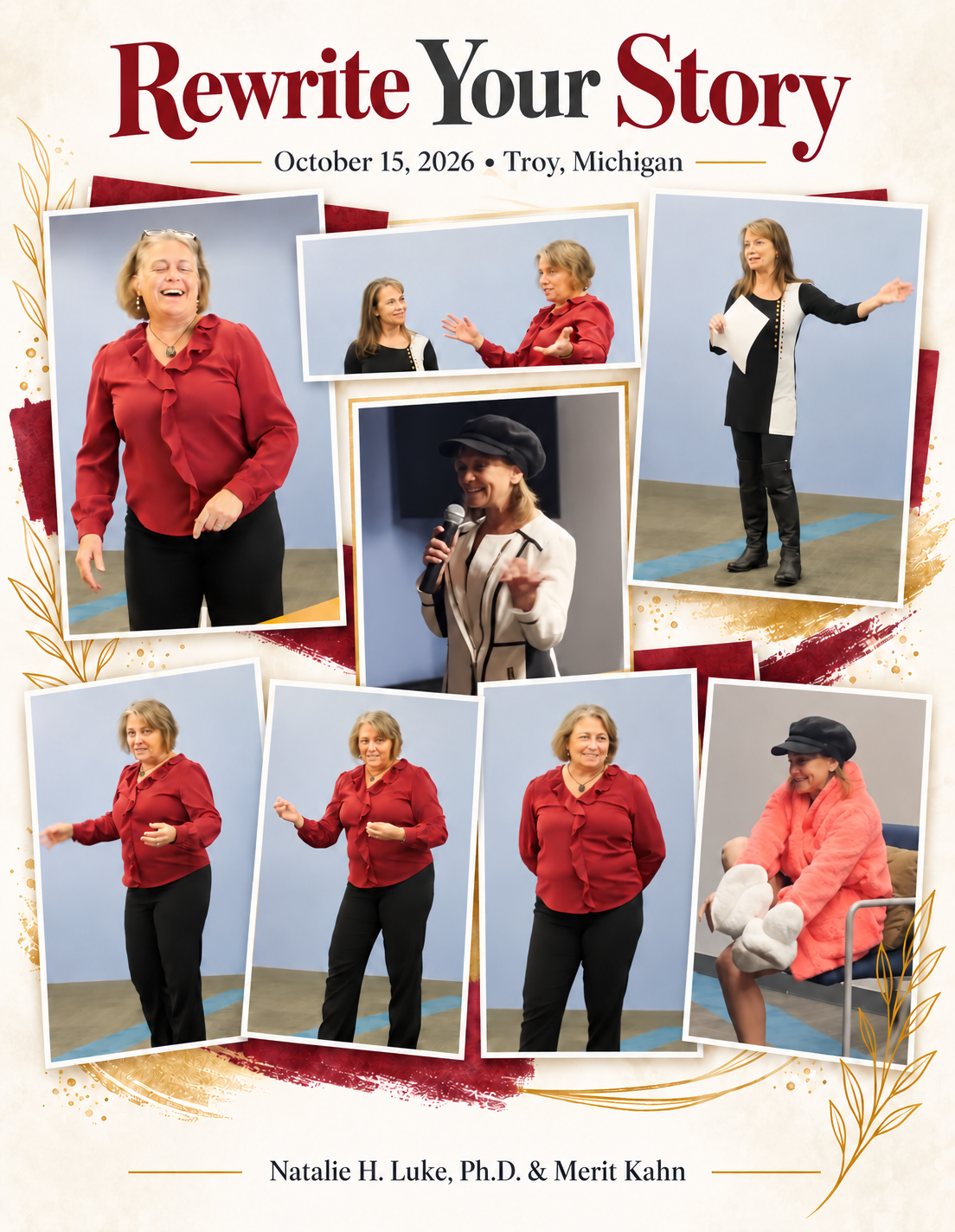
On October 15, 2026, Natalie H. Luke, Ph.D., and Merit Kahn brought storytelling, responsibility reflection, humor, and conversation to Troy, Michigan—followed by Merit’s theatrical comedy show, Optimistic Personality Disorder™.
Participants considered renewed optimism, stronger relationships, and what a new chapter might look like. One participant offered an image that stayed with us: a boat just a little off course can eventually reach a very different destination.
Is the direction I’m moving still the direction I want to go?
After describing a moment of collapse, Natalie invites listeners to look back at the choices and responsibilities that came before it.
Prefer to read? Open the transcript below. Open the video directly →
“That was my collapse. But my question for you is: when did I burn out? Did I burn out when I stayed up all night? Did I burn out when I said, hey, yeah, I got friends, I can collect urine? Did I burn out when the fire started? Did I burn out when we had to write the protocol for the study? Or did I burn out when I accepted the assignment of 15 papers? When was my burnout?”
Reset Your Responsibility is Natalie’s standalone workshop. Rewrite Your Story is the broader workshop and comedy collaboration with Merit Kahn, subject to availability and agreement.
Four live events are planned for 2027. Current planning includes the Detroit area in April and the Chicago area in June, with two additional locations and timing open for discussion. Dates, venues, formats, and presenters remain subject to confirmation. Tell Natalie where you’d like to attend.
Help your community make room for what matters next. Explore supporting one gathering or a broader relationship across the planned series. Tell Natalie about your audience and what you hope to make possible.
You can also write directly to [email protected].
Help leaders move beyond being needed everywhere—and develop people who can take ownership.
When the same dependable people keep stepping in, explore what keeps the cycle going: expectations, competing priorities, authority, resources, and support.
Build toward a legacy of capable people, supported decisions, and work that can move forward without constant intervention. As technology changes the work, these questions matter for the responsibilities that remain with people too.
The Hidden Cost of Doing Instead of Leading
Through storytelling, humor, and honest reflection, Natalie explores how being indispensable can shape both a leader’s identity and the team around them.
For conferences, associations, leadership meetings, and employee events.
Sometimes another person’s story gives you words for something you’ve been feeling.
Natalie talks with leaders, experts, and people exploring success, identity, expectations, and change. Through The Trust Tax Investigation, conversations examine how responsibility develops and what individuals and organizations might do differently.
Why does being good at something make it difficult to stop doing it?
When does helping become an expectation?
What happens when the role that helped you succeed no longer fits what you want next?
Creating programs. Solving problems. Bringing people and ideas together.
For a long time, being able to handle something was reason enough for me to take it on. Eventually, I began asking why—and what those choices were leaving room for.
I’m Natalie H. Luke, Ph.D., founder and host of UnCeiling You™, a senior executive, and creator of the Trust Tax™ research initiative. My work explores responsibility, the stories we tell ourselves, and the environments we live and work in.
My executive experience and research inform practical questions about ownership, support, and the choices available to us—at work and in life.
A workshop for your team? A speaker for your event? A Reset Your Responsibility or Rewrite Your Story experience in your community?
Tell Natalie what you have in mind. You don’t need to know which program fits before reaching out.
Prefer email? Write to [email protected].
Form not displaying? Open the inquiry form →
Start with something you want to understand.
Something you miss. Something you’d like to make room for.
What do YOU want next?